

Best free CRM software overall
HubSpot Smart CRM
HubSpot has the broadest coherent free toolkit here, but its two-user and 1,000-contact caps make the upgrade boundary easy to hit.
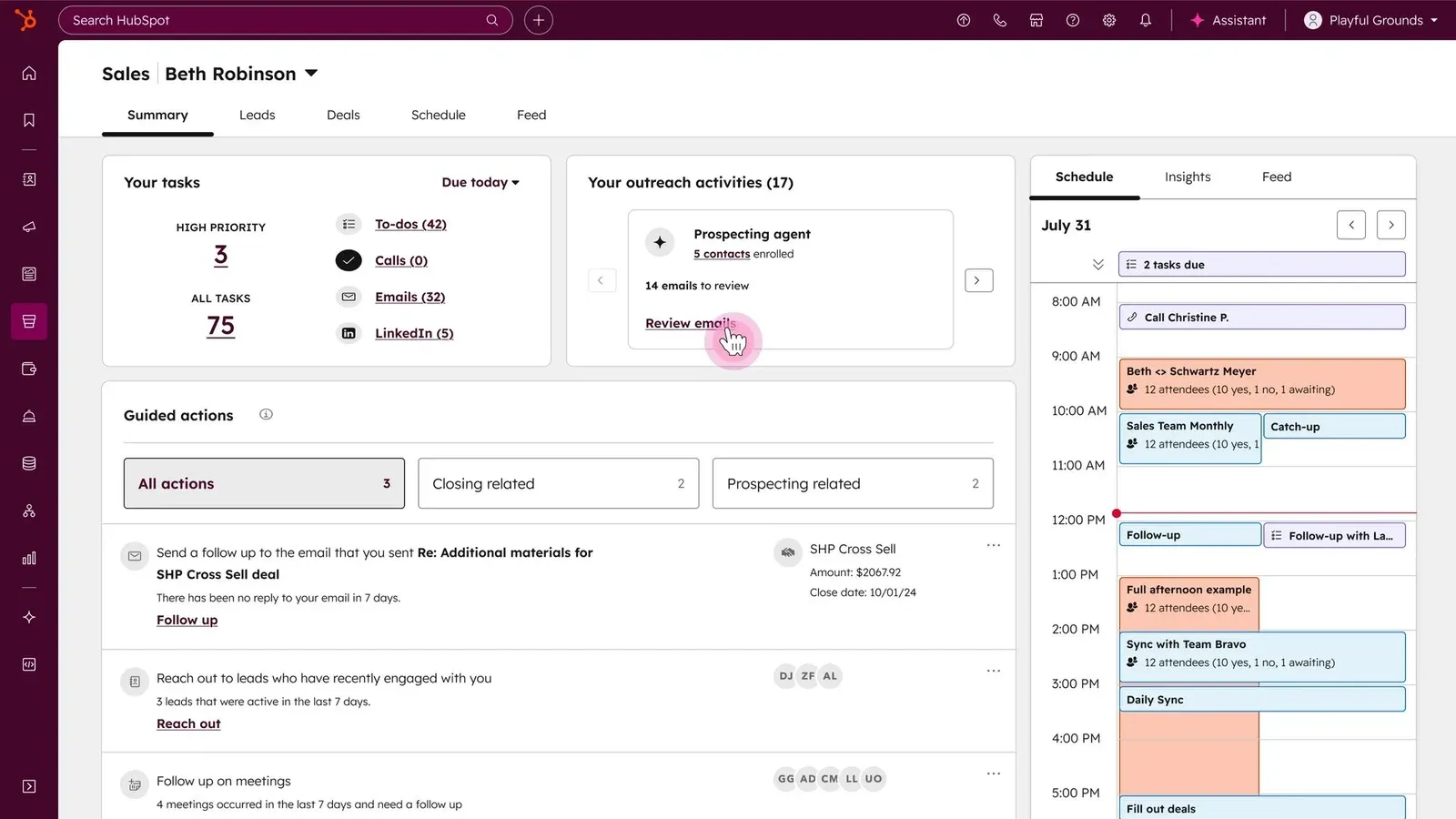
HubSpot ranks first because its free CRM extends beyond a deal board. Two users can manage contacts and pipelines while using reporting, meetings, forms, live chat, ticketing, email tools, and a marketplace with more than 2,000 advertised integrations around the same customer record.
The plan is ongoing rather than a countdown: HubSpot says it has no expiration date and requires no credit card. Its first upgrade triggers are a third regular user, more than 1,000 contacts, or premium automation, reporting, governance, and Hub functionality. That paid path can become complex, so price the first configuration the team would actually need.
Best for: two people wanting basic sales, marketing, and service in one system. Skip this if: three users need access immediately. Key tradeoff: the broadest integrated free toolkit here has a firm two-user ceiling. Final verdict: choose HubSpot when total free-plan usefulness matters more than one additional seat.
Key tradeoff: Only two free users

Best traditional free CRM for three users
Zoho CRM
Zoho gives a small team the strongest conventional CRM core at $0, but email integration, multiple pipelines, calling, forms, and forecasting sit above Free.
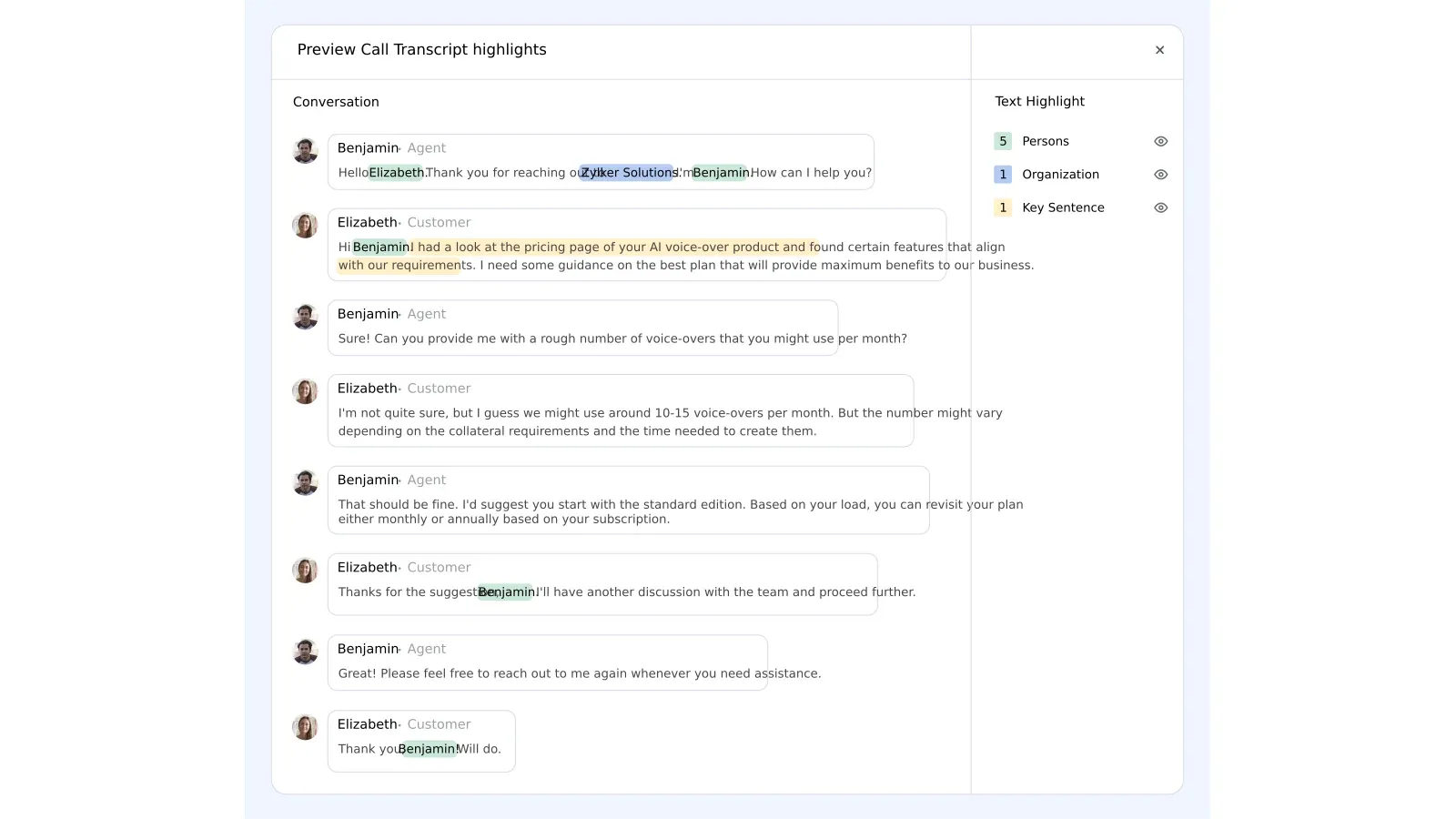
Zoho CRM is the strongest conventional free sales database here. Three users can manage leads, contacts, deals, activities, workflows, standard reports, mobile access, imports, and developer access without paying.
The upgrade boundary arrives when the CRM must handle communication or a more complex operating model. Email integration, multiple pipelines, calling, forms, forecasting, enrichment, and custom modules sit above Free. Zoho’s wider application portfolio creates a long runway, but also more edition and configuration work.
Best for: a three-person team wanting a traditional lead-and-deal workflow. Skip this if: free email integration or multiple pipelines is essential. Key tradeoff: one more free user than HubSpot, but a narrower integrated toolkit. Final verdict: choose Zoho when the third seat and conventional CRM depth matter most.
Key tradeoff: Free user cap is three

Best free CRM for a solo pipeline
Bigin by Zoho CRM
Bigin is the cleanest solo starting point in this list. The compromise is a 500-record pool shared by contacts, pipeline entries, activities, and notes.
Bigin is the focused choice for one operator leaving a spreadsheet. Free includes one pipeline, contacts, products, tasks, calls, events, three automations, forms, one booking page, APIs, a dashboard, and selected integrations.
Its 500-record pool includes pipeline records, contacts, activities, and notes, so history consumes capacity faster than a “500 contacts” allowance would. A second user, email or WhatsApp integration, team pipelines, additional automation, or database growth triggers the paid decision.
Best for: one person needing a simple visual pipeline and light automation. Skip this if: a second user or large activity history is required. Key tradeoff: focused adoption with a small shared record pool. Final verdict: choose Bigin as a deliberate solo bridge from spreadsheets.
Key tradeoff: Free is single-user only

Best free CRM for unlimited users
Bitrix24
Bitrix24 removes the seat cap, which no other pick here does. Its 5 GB storage and basic free CRM make it a collaboration-first choice, not the cleanest sales system.
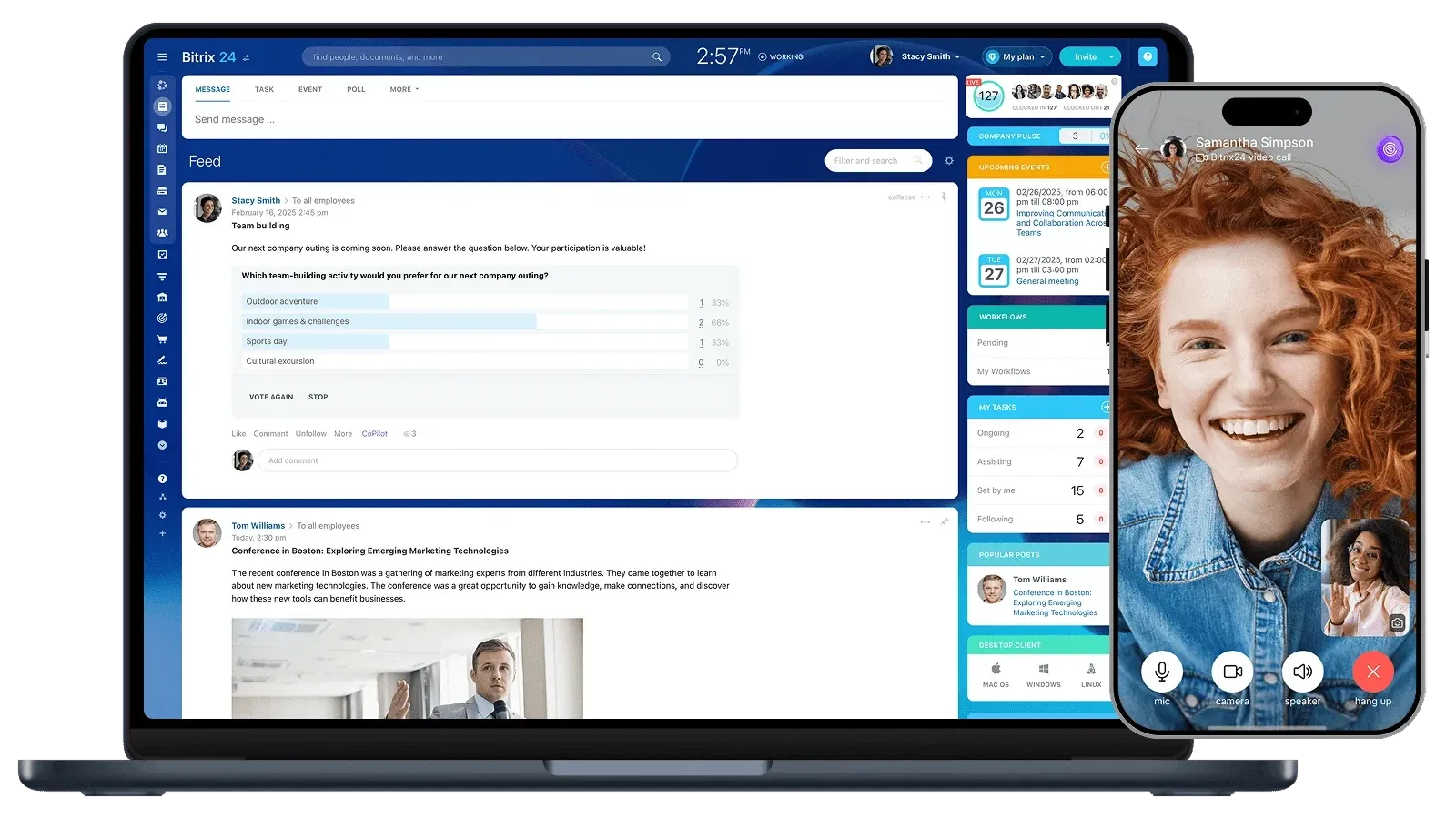
Bitrix24 is the seat-count winner: its official FAQ states that the Free account supports unlimited users without a time limit. Basic deals and contacts sit alongside tasks, chat, video, calendars, documents, and collaboration.
The free CRM is explicitly basic. Storage is capped at 5 GB, while advanced pipelines, telephony, sales automation, and marketplace apps create upgrade pressure. Its broad operating surface also requires more setup, permissions, navigation, and ownership than a focused CRM.
Best for: many users sharing a basic CRM and collaboration layer. Skip this if: the sales team needs advanced execution tools for free. Key tradeoff: unlimited seats do not mean unlimited CRM depth. Final verdict: choose Bitrix24 only when access for many users is the binding requirement.
Key tradeoff: Only 5 GB storage

Best free CRM for a 15-person micro team
EngageBay
EngageBay pairs a generous 15-user allowance with an unusually tight 250-contact cap. It works when collaboration matters more than database size.
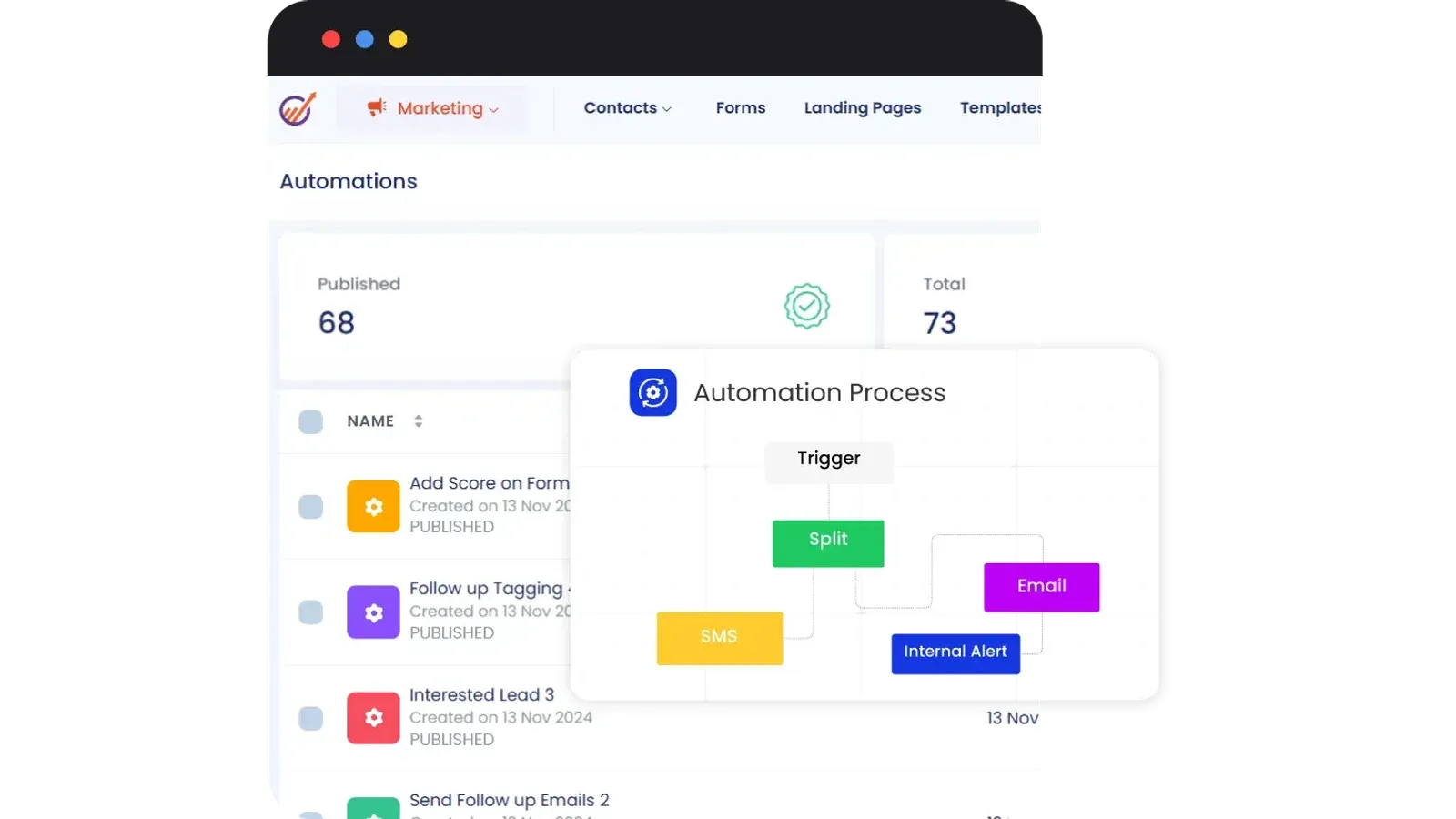
EngageBay has the most unusual free-plan shape here: up to 15 users but only 250 contacts. It combines basic CRM, appointments, email tracking, forms, a landing page, two sequences, ticketing, and support for a small shared account list.
The contact ceiling is the real price. A team can exhaust 250 records quickly, and the free marketing, reporting, field, page, sequence, and automation allowances are constrained. Define which records belong in the CRM before importing prospects, customers, partners, and subscribers.
Best for: many collaborators working a deliberately small named-account list. Skip this if: the database will soon exceed 250 contacts. Key tradeoff: generous user access paired with the tightest database tier. Final verdict: choose EngageBay when collaboration matters more than contact volume.
Key tradeoff: Only 250 contacts
Best free CRM for lightweight relationship tracking
Capsule
Capsule is deliberately small and legible: 250 contacts, five custom fields, and one pipeline. It is easy to outgrow, which is also what makes the free scope understandable.
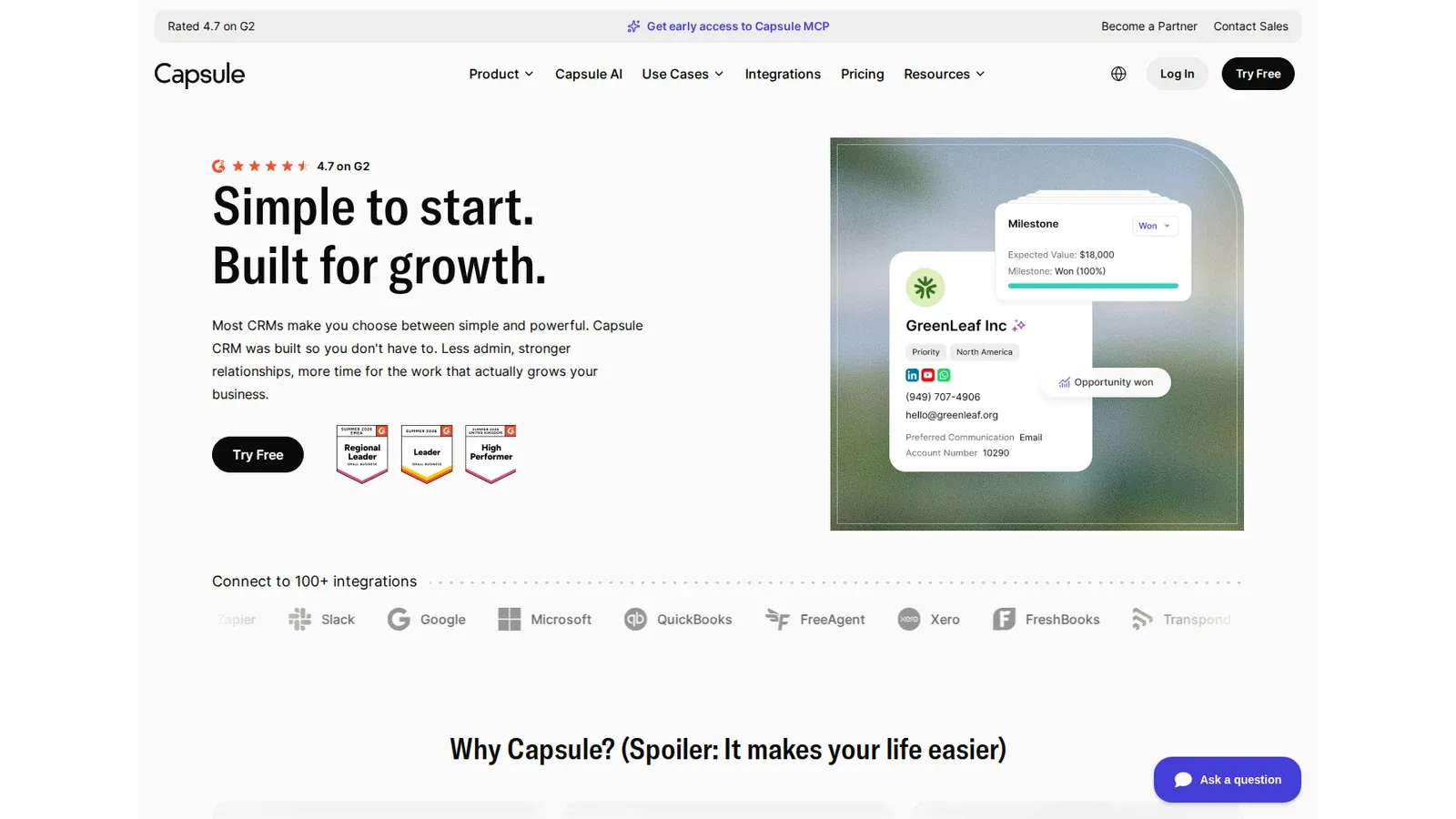
Capsule Free is deliberately legible: two users, 250 contacts, five custom fields, one sales pipeline, one project board, and Gmail or Outlook sending. It fits a small relationship-led team that values a narrow operating model.
Contact growth is the first obvious upgrade trigger. Workflow automation, reporting, shared mailbox features, templates, premium integrations, multiple pipelines, and higher limits also require payment. That ceiling makes Capsule poor for fast growth but easy to model for a stable book of relationships.
Best for: one or two people with fewer than 250 important relationships. Skip this if: automation, reporting, or multiple pipelines are current requirements. Key tradeoff: clarity and low complexity come with a small database ceiling. Final verdict: choose Capsule for intentionally lightweight relationship tracking.
Key tradeoff: Only 250 contacts